How Blockchain and Green Tech Are Reshaping UK Industries in 2026: From Sustainable Biogas Innovation to the Rise of Crypto Casino Platforms
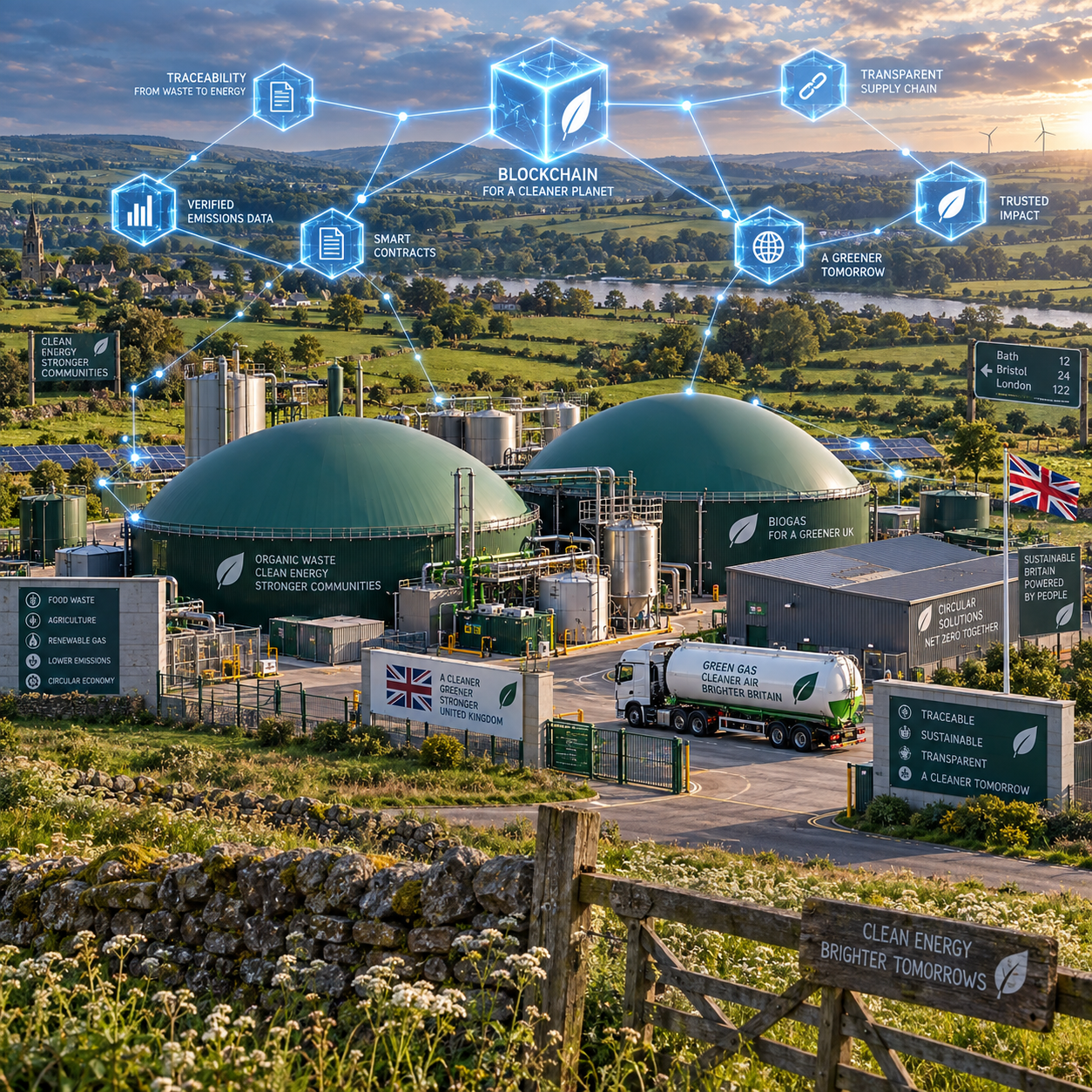
I've spent the better part of this year tracking two industries that, on the surface, couldn't seem more different — renewable energy and digital gambling. Yet here we are in 2026, watching blockchain technology stitch these worlds together in ways I honestly didn't expect five years ago. Across the UK, from anaerobic digesters tucked away on Yorkshire farms to crypto-powered gaming platforms operating out of London tech hubs, the same underlying technology is quietly rewriting the rules of transparency, trust, and investment.
What strikes me most is that this isn't a coincidence. It's a convergence driven by demand — from regulators wanting verifiable emissions data, from consumers wanting fairer digital experiences, and from investors wanting to know their money is going where it's claimed to go. Blockchain, at its core, is a trust machine. And trust happens to be exactly what both the green energy sector and the online gambling world have historically struggled with.
The Convergence of Blockchain and Green Tech in the UK
The UK has always had a peculiar talent for blending old industries with new technology, and 2026 is proving no exception. Blockchain's decentralized ledger system, once associated almost exclusively with cryptocurrency speculation, has matured into a legitimate infrastructure tool. It's being used to verify supply chains, authenticate carbon offsets, and — increasingly — to underpin entirely new digital economies.
This matters because it changes who gets to participate in innovation. A small biogas cooperative in Cumbria can now issue verifiable emissions data that institutional investors trust just as much as a multinational energy firm's report. Meanwhile, digital entertainment platforms are borrowing the same cryptographic principles to prove fairness to their users. Regulators are paying close attention, consumers are asking sharper questions, and businesses that ignore this shift risk being left behind.
Sustainable Biogas Innovation: A New Frontier for Clean Energy
Biogas has quietly become one of the UK's most promising renewable energy sources, and the technology behind it has grown far more sophisticated than most people realize. Modern biogas facilities now rely on smart sensors that monitor methane output in real time, feeding that data into decentralized verification systems rather than relying solely on manual audits.
This shift matters enormously for accountability. Instead of taking a company's word for how much clean energy it's producing, blockchain-based tracking creates an immutable record that anyone — from regulators to skeptical journalists — can review. It's a small technical detail with a massive trust dividend.
Micro-Scale Biogas Plants and Rural Energy Independence
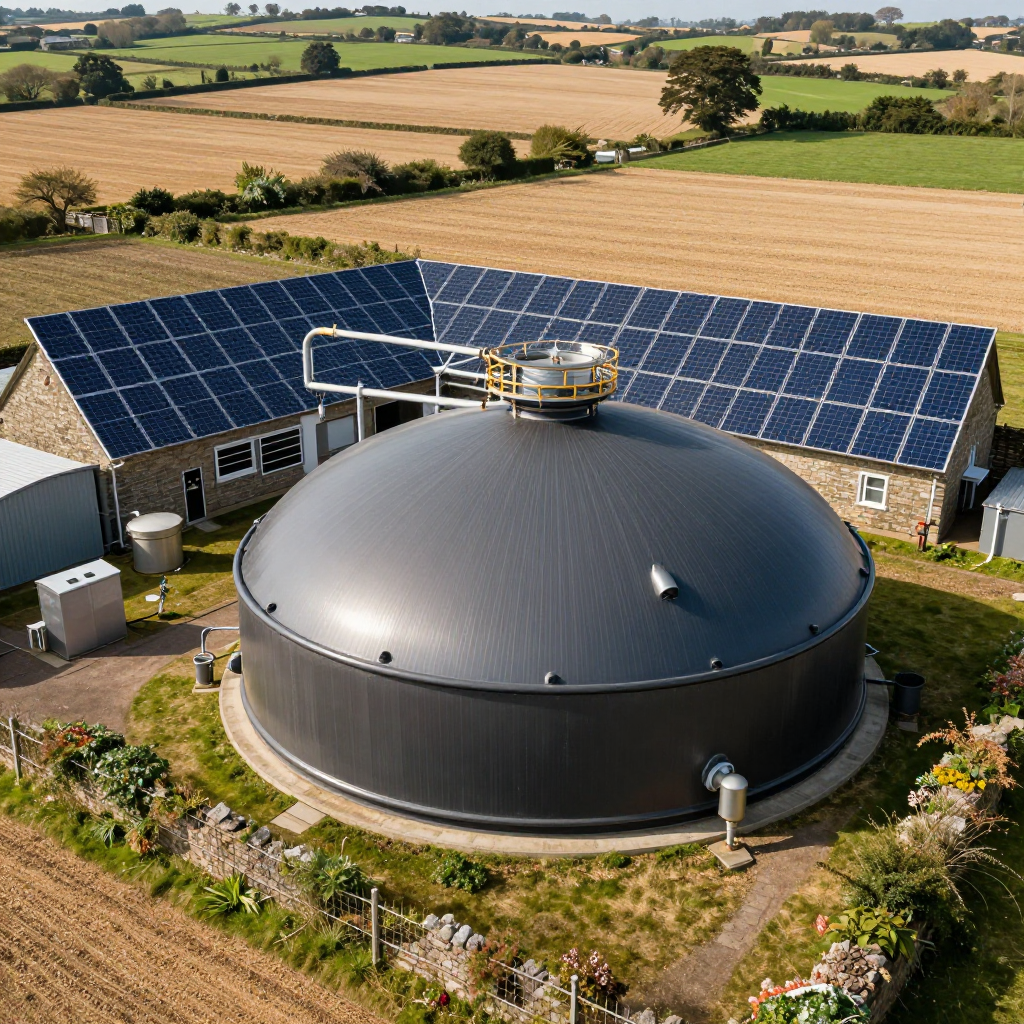
What I find genuinely exciting is watching micro-scale biogas units pop up on farms across the country. These smaller systems let rural communities convert agricultural waste into usable energy without waiting on national grid upgrades that, let's be honest, often take years longer than promised. Farmers I've spoken with describe a newfound sense of energy independence — no longer at the mercy of fluctuating grid prices or supply interruptions during peak demand periods.
These micro-plants also tend to be early adopters of blockchain monitoring tools, partly because smaller operators benefit disproportionately from the credibility that transparent reporting provides when seeking grants or private investment.
Blockchain as a Tool for Environmental Accountability
Carbon credits have a credibility problem, and everyone in the sustainability space knows it. Too many schemes over the years have promised emissions reductions that never materialized, or double-counted the same credit across multiple buyers. Blockchain addresses this head-on by creating tamper-proof records of methane capture, carbon offset generation, and energy output.
For biogas producers specifically, this means every unit of clean energy generated can be traced back to its source, timestamped, and verified without relying on a single centralized authority. It's the kind of accountability that turns skeptical investors into confident ones — and that confidence is exactly what the green tech sector needs to scale.
The Rise of Crypto Casino Platforms in the UK Digital Economy
Now for the part of this story that surprises people the most. While biogas quietly modernizes energy production, an entirely different sector has been undergoing its own blockchain revolution: online gambling. Crypto casino platforms have exploded in popularity across the UK digital economy, driven by the same underlying technology that's making energy reporting more trustworthy.
These platforms use blockchain to offer provably fair gaming — meaning players can independently verify that game outcomes haven't been manipulated. Add instant crypto payouts and decentralized identity verification into the mix, and you've got a gambling experience that feels fundamentally different from the traditional, often frustratingly slow, casino model.
Why UK Players Are Turning to Crypto-Based Gaming
From what I've gathered speaking with players and industry insiders, the appeal boils down to three things: privacy, speed, and access. Traditional online casinos often require extensive banking documentation and impose withdrawal delays that can stretch into days. Crypto platforms, by contrast, settle transactions in minutes and don't demand the same level of financial disclosure.
There's also a global dimension — UK players increasingly want access to platforms and games that aren't restricted by domestic banking rails. Cryptocurrency removes that friction entirely, which explains a lot of the sector's rapid growth this year.
Where Green Innovation Meets Digital Finance
Here's where these two seemingly unrelated stories actually intersect, and it's more logical than it first appears. The crypto economy generates enormous revenue flows, and a growing share of that capital is being redirected into green technology ventures. Blockchain-native investors, many of whom made their money in digital finance, are looking for tangible, real-world projects to fund — and biogas fits that profile perfectly.
A great example of this crossover is visible in projects like casino crypto, where sustainable biogas innovation is attracting blockchain-based investment interest. It illustrates something I think is genuinely underappreciated: digital finance ecosystems, including those built around crypto gaming revenue, are diversifying into environmental technology funding rather than staying confined to speculative assets alone. That diversification benefits everyone — investors get exposure to tangible green infrastructure, and biogas developers get access to capital pools that didn't exist a few years ago.
Regulatory and Ethical Considerations for 2026
None of this happens in a regulatory vacuum, of course. The UK's approach to both cryptocurrency platforms and green energy incentives has tightened considerably this year. Crypto casino operators now face stricter licensing requirements, mandatory identity checks, and clearer consumer protection standards designed to prevent problem gambling.
On the green energy side, sustainability reporting standards have become more rigorous, particularly around how carbon credit claims are substantiated. Businesses operating in either space need to stay current with these evolving rules — compliance isn't optional, and the reputational cost of falling behind can be steep.
Best Practices for Businesses Bridging Blockchain and Sustainability
For UK companies looking to responsibly combine blockchain transparency with green tech ambitions, a few principles consistently separate the credible operators from the opportunistic ones:
- Conduct thorough due diligence on any blockchain platform before integrating it into environmental reporting systems.
- Prioritize ethical funding sources and disclose where capital originates, especially when it flows from crypto-adjacent industries.
- Invest in third-party audits alongside blockchain verification to build layered trust rather than relying on a single mechanism.
- Commit to long-term environmental impact measurement rather than one-off compliance checkboxes.
Businesses that follow these practices tend to earn more durable trust from both regulators and the public, which matters enormously as scrutiny of green claims intensifies.
Conclusion
Looking back at everything happening across UK industries this year, I'm convinced that blockchain and green tech aren't just adjacent trends — they're increasingly interdependent. Whether it's a biogas plant proving its emissions data or a crypto casino proving its game fairness, the underlying demand is the same: verifiable, tamper-proof trust. As these sectors continue to mature through 2026 and beyond, the businesses that thrive will be the ones pairing genuine innovation with responsibility, transparency, and a clear-eyed respect for the regulatory landscape shaping both industries.