How Blockchain Technology is Transforming Online Gambling: A 2026 Guide to Crypto Casino Safety, Regulation, and Responsible Play in the UK

I've spent the better part of the last few years watching the UK gambling scene shift beneath our feet, and honestly, nothing has moved the needle quite like blockchain technology. Back when I first started writing about online gaming, crypto casinos felt like a niche curiosity. Now, in 2026, they're a genuine fixture in the conversation UK players are having about where and how to gamble online. This guide is my attempt to break down what's actually changed, what to watch out for, and how to keep your play sensible while the technology keeps evolving.
What Is a Crypto Casino? Understanding Blockchain-Based Gambling
At its core, a crypto casino is an online gambling platform that accepts cryptocurrencies—Bitcoin, Ethereum, and increasingly stablecoins—as a method of deposit and withdrawal, often layering blockchain infrastructure directly into how games operate. Two terms you'll hear constantly are 'provably fair gaming' and 'smart contracts.' Provably fair gaming lets a player mathematically verify that a game's outcome wasn't manipulated, while smart contracts are self-executing pieces of code that automate payouts the moment conditions are met, without a human touching the transaction. You'll also need a cryptocurrency wallet, essentially your digital purse, to interact with these sites at all.
How Blockchain Differs from Traditional Online Casino Systems
Traditional online casinos rely on centralised payment processors, bank intermediaries, and internal databases that players simply have to trust. Blockchain flips that model. Every transaction gets recorded on a public ledger that anyone can inspect, transactions clear in minutes rather than days, and there's no central authority holding your funds hostage during a slow withdrawal cycle. It's not magic, but the transparency and speed are genuinely different from what UK players have been used to with card payments and e-wallets.
Why Blockchain Is Reshaping the UK Online Gambling Market in 2026
The appeal isn't just technological novelty—there are practical reasons UK players are gravitating toward these platforms. Payouts that used to take three to five business days now often settle within the hour. Transaction fees, particularly for international players, are dramatically lower than card processing costs. The public ledger means every wager and payout is theoretically auditable, which appeals to a generation of players who've grown tired of taking a casino's word for it. And for some, the added layer of pseudonymity around crypto wallets feels like a welcome change from handing over card details to yet another site.
Provably Fair Technology and Player Trust
Provably fair systems use cryptographic hashing to let players verify, after the fact, that a game's result was generated fairly and wasn't altered once the bet was placed. In practice, this means before you spin a slot or place a bet, the platform generates a hashed seed you can check against the outcome afterward. It's a small technical detail, but it's rebuilt trust for a lot of sceptical players who'd otherwise assume the house always finds a way to win.
UK Regulatory Landscape for Crypto Gambling in 2026
Here's where things get genuinely important. The UK Gambling Commission still requires any operator serving UK customers to hold a valid licence, regardless of whether they accept pounds or crypto. That means AML and KYC checks aren't optional just because a platform uses blockchain rails—if anything, regulators have tightened scrutiny on crypto operators precisely because cryptocurrency has historically been associated with money laundering concerns. Recent updates to UKGC guidance have pushed licensed operators to disclose wallet custody arrangements more clearly and to implement stronger identity verification before large withdrawals. If a crypto casino markets itself to UK players without a valid UKGC licence, that's an immediate red flag, no matter how slick the blockchain integration looks.
How to Evaluate Safety Before Choosing a Crypto Casino
Before depositing a single satoshi, I always run through a mental checklist. First, verify the licence directly on the UKGC register rather than trusting a badge on the casino's homepage. Second, check whether the platform publishes independent blockchain audits or third-party fairness certifications. Third, look into how wallets are secured—cold storage for the bulk of funds, multi-signature authorisation, and clear insurance policies against hacks are all good signs. Finally, test customer support before you need it; slow or evasive responses tell you a lot about how a company will treat you when something goes wrong.
For readers who want to go deeper than a casino's own marketing claims, independent research resources can be genuinely useful. I've found crypto casino research and player protection material a helpful reference point when trying to separate legitimate blockchain gambling platforms from ones cutting corners on safety and transparency.
Red Flags That Signal an Unsafe Platform
- Vague or contradictory terms and conditions around withdrawals
- Licensing claims that can't be verified on the UKGC or equivalent register
- No visible transaction history or blockchain explorer links for payouts
- Pressure tactics encouraging larger, faster deposits
- Customer support that's unreachable or unresponsive during testing
Responsible Play in the Crypto Gambling Era
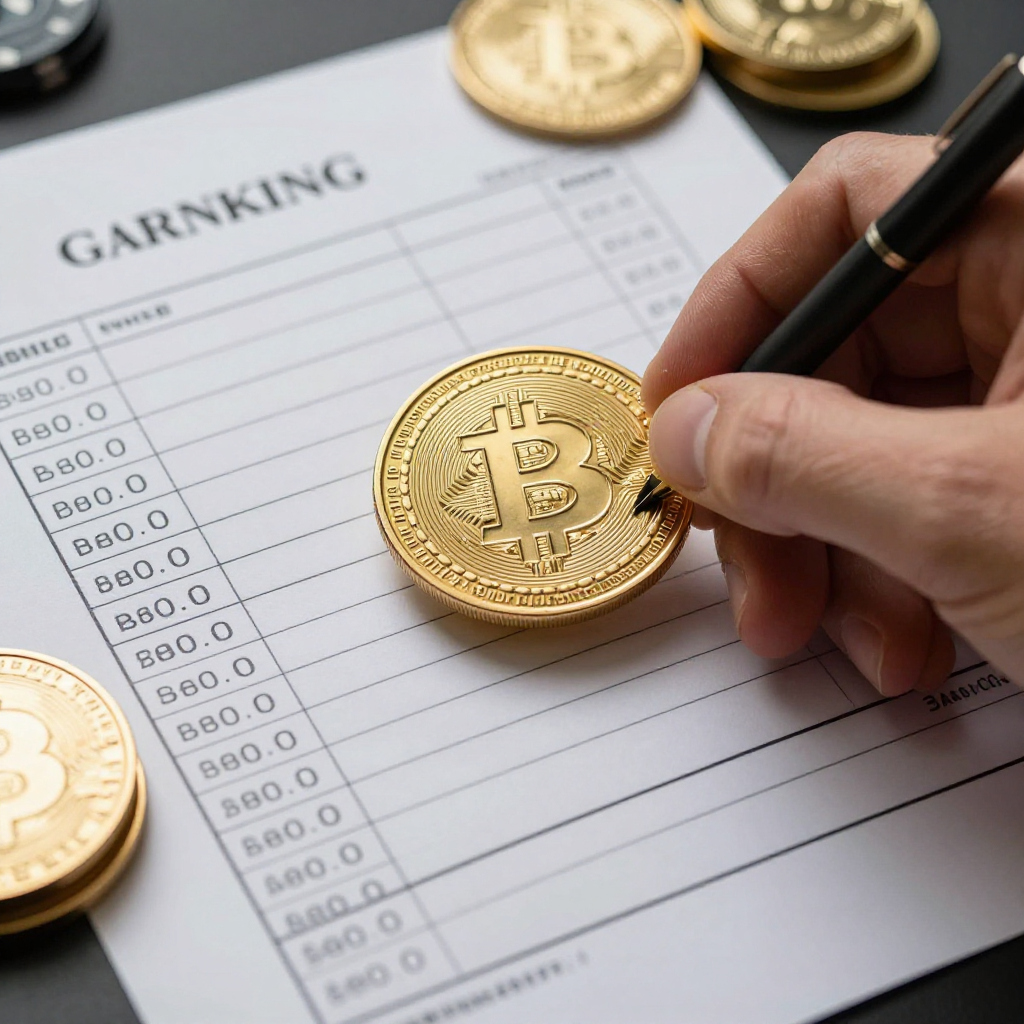
Cryptocurrency introduces a specific set of responsible gambling challenges that fiat-based platforms don't have. Spending becomes harder to track when your balance is denominated in a coin whose value shifts hour to hour, and the speed of transactions can make impulsive decisions easier to act on before second thoughts kick in. Thankfully, UK support services like GamCare and BeGambleAware remain just as relevant here as they've always been, offering advice, helplines, and self-exclusion guidance regardless of payment method. Many licensed crypto platforms now also build in blockchain-specific safeguards, such as wallet-level deposit limits and time-locked withdrawal delays that give players a cooling-off period.
Setting Limits with Volatile Crypto Assets
One thing I always recommend to friends dipping into crypto gambling for the first time is to think in fiat terms even when depositing crypto. If Bitcoin swings 8% overnight, your 'budget' can quietly balloon or shrink without you noticing. Using stablecoins pegged to the pound or dollar removes that volatility entirely, and setting a fixed weekly deposit amount in fiat terms—then converting only that much—keeps spending grounded in reality rather than market speculation.
Common Mistakes UK Players Make with Crypto Casinos
The most frequent error I see is players skipping the licensing check entirely because a site 'looks legitimate.' Close behind that is poor wallet hygiene—reusing passwords, ignoring two-factor authentication, or leaving large balances in hot wallets connected directly to the casino. Fast transaction speeds also tempt people into chasing losses more aggressively than they would with slower fiat withdrawals, since there's less friction between losing a hand and depositing again. And plenty of UK players still misunderstand how crypto winnings interact with tax obligations, assuming gambling winnings are always tax-free without considering how converting large crypto sums back to fiat might trigger separate capital gains considerations.
The Future of Blockchain in UK Online Gambling
Looking beyond 2026, I expect NFT-based loyalty programmes to become far more common, letting players hold tradeable rewards rather than locked-in casino points. Decentralised betting platforms, where no single operator controls the odds or the payout pool, are already gaining traction in test markets and could challenge how UK regulators think about licensing entirely. I wouldn't be surprised to see further regulatory tightening around crypto-specific AML requirements as adoption grows, which honestly should be welcomed by anyone who wants this space to mature responsibly rather than attract bad actors.
Conclusion
Blockchain technology has brought real, tangible improvements to online gambling—faster payouts, greater transparency, and tools that let players verify fairness for themselves rather than taking it on faith. But none of that replaces the basics of responsible play. Choose licensed, audited platforms, understand the volatility risks of the assets you're wagering with, and lean on UK support services whenever gambling starts to feel less like entertainment and more like a compulsion. The technology is genuinely exciting, but it works best when paired with the same caution and self-awareness that's always mattered in gambling, crypto or not.